The Ultimate Guide to Creating a Space You’ll Be Happy to Be In
Why Interior Design Truly Matters
Our homes do more than shelter us — they shape how we think, feel, and restore ourselves. They offer safety, privacy, nourishment, and a place to simply be. When one of these needs isn’t met, our sense of well-being falters.
That’s why good interior design isn’t about chasing trends — it’s about crafting an environment that reflects your state of mind. When your space feels balanced, functional, and personal, it naturally supports your happiness.
A thoughtfully designed home doesn’t just look beautiful; it whispers calm, lifts your energy, and reminds you of who you are.
The Foundation of a Happy Home
You can spend hours choosing cushions, colour palettes, and rugs — but none of it will feel “right” if the foundation is off. The secret to a home that feels good is alignment — between the space and your authentic self.
You can copy a perfect Pinterest layout and still feel unsettled. Why? Because design that doesn’t connect to you will always feel like someone else’s story.
Your home should mirror what makes you come alive. The more you bring your truth into your space — the colours you’re drawn to, the light you love, the objects that tell your story — the more your home begins to nurture you back.

1. Start With the Layout: Flow First, Beauty Follows
If you take one principle from this guide, let it be this: a beautiful space that doesn’t flow will never feel right.
Before styling, get your layout right. If you feel even a flicker of irritation moving through a room, something’s off. Listen to it. Try again.
A helpful reminder from Feng Shui — the Emperor’s Robes Rule: you should be able to glide through your space without your imaginary robes brushing the furniture or walls. That’s how free movement feels.
If you’re unsure, sketch or map your layout, then ask yourself with genuine curiosity:
“How does it get any better than this?”
Wait for the answer. Adjust. Ask again. Each small tweak reveals new clarity. Soon, you’ll land on a layout that feels effortless and timeless — one that works with your life, not against it.
Remember: design is an evolving dialogue, not a one-off decision.
2. Declutter With Compassion
Every object holds energy. Some lift us; others anchor us in old stories. As you curate your space, ask:
-
What emotion does this item evoke?
-
Does it belong in the next chapter of my life?
Letting go isn’t about minimalism for its own sake — it’s about making space for who you’re becoming. When you release what no longer serves you, your home begins to breathe again.
With every move or rearrangement, your belongings find new purpose. The art that once hung in your hallway might suddenly feel perfect beside your bed. Trust that fluidity.

3. Consider Every Level and Every Surface
Design harmony doesn’t just happen at eye level. Think of your home as a three-dimensional canvas — floor, midline, and ceiling. Neglecting any of these is like ignoring a part of yourself.
Each surface contributes to how energy moves. A neglected corner, an under-lit ceiling, or a bare tabletop can subtly drain the life from a room. Bring attention to every layer — from floor rugs to pendant lights — and you’ll notice a quiet completeness settle in.
4. Let Light Be Your Silent Designer
Natural light is the most transformative design tool you have. Observe how the sun moves through your home. Which rooms feel alive in the morning? Which crave warmth in the afternoon?
Layer lighting intentionally — ambient for softness, task for focus, accent for drama. Light tells your brain when to wake, when to rest, and when to create. A lamp placed thoughtfully isn’t just decoration; it’s mood therapy.
5. Bring Nature Inside
A space without a hint of nature feels incomplete. Even one living element — a potted fern, a vase of fresh leaves, a natural linen fabric — softens edges and reconnects you to the outside world.
Nature’s patterns, textures, and imperfections remind us that beauty doesn’t need to be flawless — just alive.

6. Choose Meaning Over Matching
Forget “perfectly coordinated.” The most soulful homes tell layered stories. A bold cushion that echoes the hues of your favourite painting. A handmade ceramic lamp that glows like a memory. A linen throw that feels like a hug.
Every item you choose should have a why. Ask yourself:
“Does this piece bring me joy, calm, or inspiration?”
When you design from emotion, your space begins to feel coherent without trying.
7. Colour as Emotion
Colour psychology is one of the most powerful — yet personal — design tools. Soft neutrals invite stillness. Blues and greens encourage calm. Terracotta, ochre, and gold inspire creativity and warmth.
But beyond theory, colour is memory. What tones make you feel like home? Trust that instinct — it’s more accurate than any trend report.
8. Textures That Touch the Soul
Texture invites touch — and touch connects us back to the present. Mix materials that contrast and complement: cool ceramics beside woven linen, smooth timber against plush velvet.
Balance is key. Too much gloss and the room feels sterile. Too much softness and it loses definition. Aim for harmony between structure and comfort.
9. Art That Speaks to You
Art completes a room, but its real power lies in emotion. Choose pieces that make you feel something — joy, nostalgia, wonder.
You don’t need a gallery wall; even a single framed print can become an anchor. As Ellie Sweetman of Bowerbird Collections often says, “When a painting moves you, it’s because it’s already speaking the same language as your soul.”
Surround yourself with art that mirrors your own inner landscape.
10. Remember: It’s a Journey, Not a Destination
Designing your space is like tending a garden. It evolves. It teaches patience. It mirrors growth.
Be willing to shift things. Add. Edit. Experiment. Your home should grow with you — becoming a reflection not just of your taste, but of your unfolding story.
And when it finally feels right — when you walk in and exhale — that’s when you know you’ve done it.
You’ve created a space that loves you back.
Quick Recap
✅ Start with layout and flow.
✅ Declutter with intention, not guilt.
✅ Consider every surface and every level.
✅ Let light and nature guide you.
✅ Choose emotion over perfection.
Your home isn’t a showroom — it’s a mirror of your becoming. Design it with kindness, curiosity, and courage.
Creating a Space That Feels Like Home
A truly beautiful home isn’t just well-styled — it’s emotionally aligned with who you are.
By focusing on flow, light, texture, and meaning, you can design a space that uplifts your mood, supports your wellbeing, and evolves gracefully with you over time.
Frequently Asked Questions
1. How do I start creating a space that feels like “me”?
Begin by observing how your current space makes you feel. Notice what areas feel heavy or cluttered, and which bring calm or energy. From there, choose colours, materials, and layouts that reflect the emotions you want more of — not what trends dictate.
2. What is the most important rule in interior design?
Start with flow. A layout that feels easy to move through will always feel better than one that only looks good. Once your furniture placement feels natural, you can add texture, light, and detail.
3. How can I make my home more uplifting without buying new furniture?
Light, scent, and small rearrangements can transform your mood. Add natural light, introduce greenery, and use soft textiles or artwork that bring colour and movement. Sometimes simply changing the position of a lamp or chair can shift the entire feel of a room.
4. How do colours affect the atmosphere of a room?
Colours speak the language of emotion. Blues and greens soothe, yellows and corals energise, and soft neutrals calm the mind. Choose tones that reflect how you want to feel in each room, not just what looks stylish on a screen.
5. What are some budget-friendly ways to refresh my space?
Rearrange what you already own. Swap art between rooms, recover cushions, or paint/ wallpaper one feature wall. Decluttering and re-styling shelves often has the biggest emotional impact for zero cost.
6. How can I bring more harmony into my home design?
Balance every visual element — dark with light, soft with structured, new with old. And remember, harmony isn’t uniformity. It’s when every object feels like it belongs to the same story — your story.
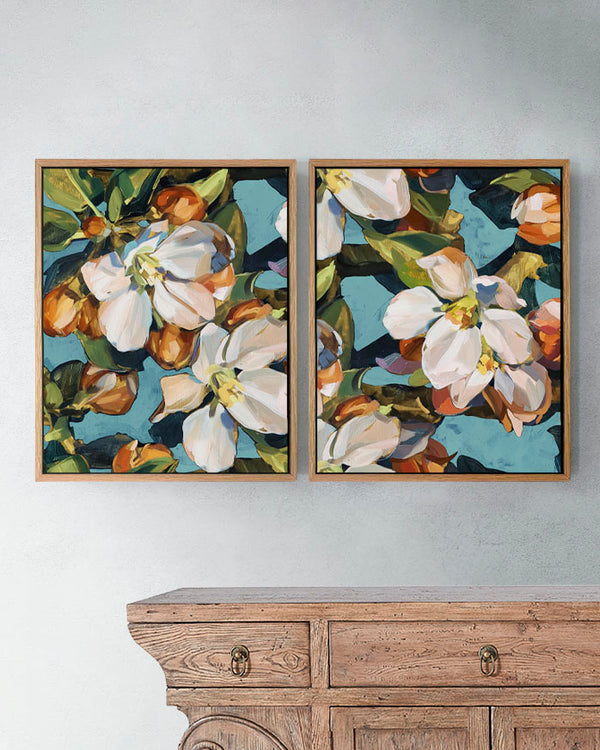
Blossom Aqua Fine Art Print on Canvas - Rectangular Duo - Fresh Floral Wall Art | Bowerbird Collections
$380.00
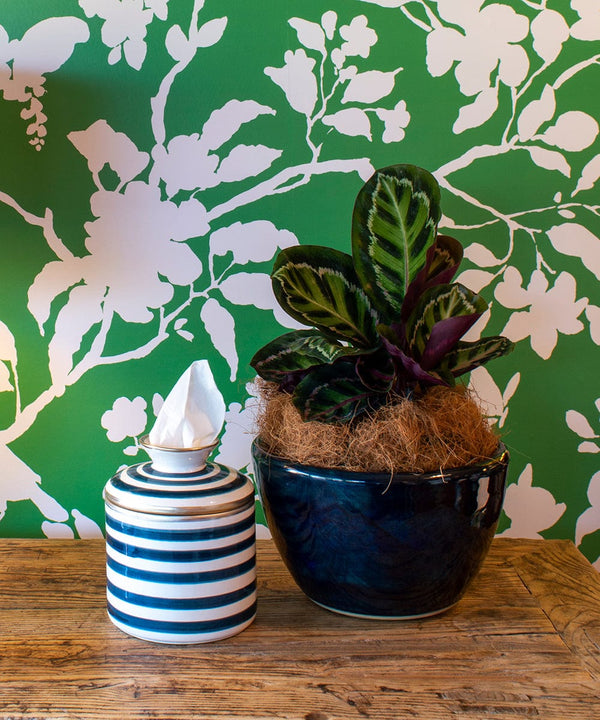
Chinoiserie Cutout Wallpaper – Elegant Botanical Mural | Bowerbird Collections
$325.00
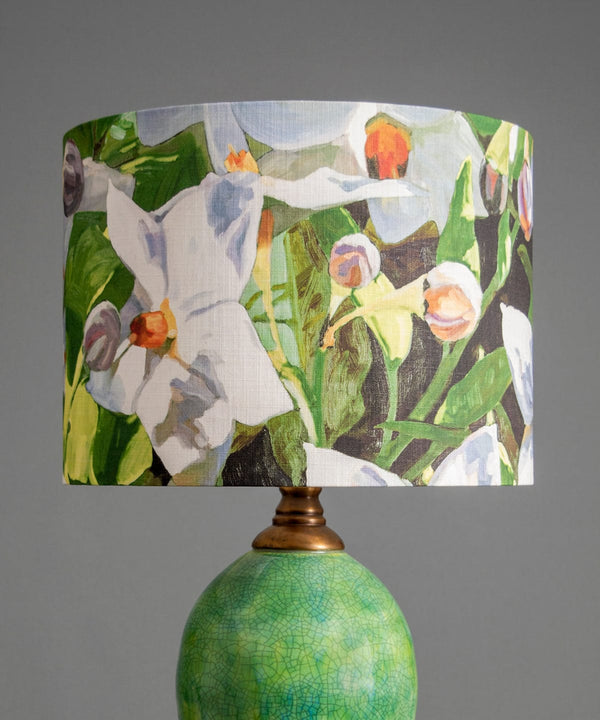
Amira Olive Lampshade – Handcrafted Lighting | Bowerbird Collections
$280.00

Blossom Navy Fabric – Classic Blue Floral Linen & Velvet | Bowerbird Collections
$190.00

Blossom Navy Pillow Cover – 100% Linen | Bowerbird Collections
$119.00